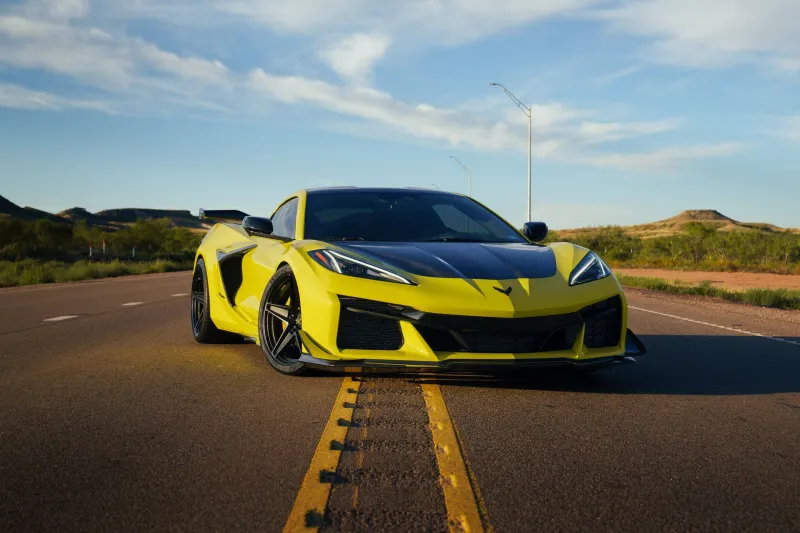
Seven Points of Winter Proof: Keeping the Grand Tourer Ready for the Unplanned Departure

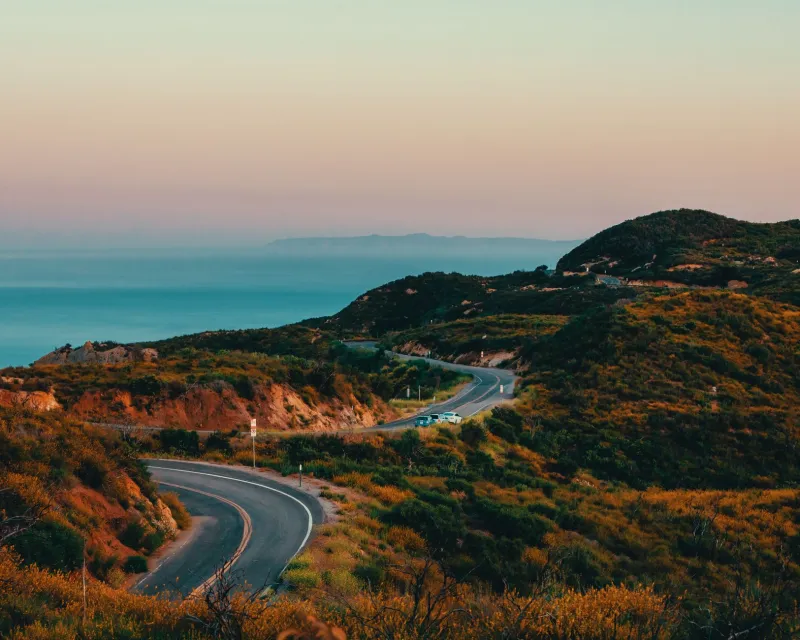
Photo by Photo by Zieben VH on Unsplash on Unsplash
There is a persistent assumption among American enthusiasts that winter is a season for storage. The car goes on a tender, the cover goes on, and the garage door stays shut until the first warm Saturday in April. For a certain kind of collector car, that is a defensible ritual. For a grand tourer, it is a quiet surrender of the very thing the car was built to do.
A grand tourer earns its name through availability. It is the car you take when the drive is the point, and the best drives are rarely scheduled weeks in advance. A cold front that clears the roads and leaves the light flat and silver is an invitation, not a warning. The difference between accepting that invitation and declining it is almost always preparation.
What follows is a seven-point shakedown intended for a modern high-performance grand tourer that will continue to be driven through the colder months. It is not a storage protocol. It is a readiness protocol.
Point One: Battery Health
Cold weather reduces battery capacity while increasing the load placed upon it. Modern grand tourers carry a substantial electrical burden even when parked, from keyless-entry receivers to telematics modules to the slow drain of adaptive suspension controllers. An absorbed glass mat battery that is marginal in October may fail to crank in January.
Begin with a load test rather than a voltage reading alone. Clean and tighten the terminals, inspect the case for swelling, and confirm the charging system holds a stable voltage with accessories running. If the car will sit for more than two weeks at a time, a maintainer is cheaper than a tow. If the battery is more than four years old and has lived through hot summers, plan for replacement before the first hard freeze rather than after it.
Point Two: Tire Behavior in Low Temperatures
Summer performance tires are compounded for grip at elevated temperatures. As ambient temperatures fall toward and below roughly 40 degrees Fahrenheit, that compound stiffens and loses both grip and flexibility. The practical consequences are longer stopping distances, reduced steering response, and, in extreme cold, a genuine risk of cracking if the tires are loaded or moved while rigid.
Tire pressures also fall with temperature, roughly one pound per square inch for every ten degrees of ambient drop. A car set to specification in a warm garage may be noticeably underinflated on a cold morning. Check pressures cold, and check them again after the first cold snap rather than assuming the summer setting still applies.
The honest solution for a car that will be driven through winter is a second set of wheels with winter or all-season tires. The alternative, for a car that will only venture out on clear, dry, cold days, is to accept reduced margin and drive accordingly.
Point Three: Fluids and Their Cold Ratings
Coolant concentration deserves a check rather than an assumption. A fifty-fifty mix of antifreeze and water provides protection well below typical American winter temperatures, but a system that has been topped off with water over several seasons may not. A simple hydrometer test settles the question.
Engine oil should meet the viscosity specification in the owner's manual for the expected temperature range. Brake fluid should be tested for moisture content, because a fluid that has absorbed water over two or three seasons will boil at a lower temperature and can behave poorly in repeated cold-weather braking. Washer fluid rated for minus 20 degrees Fahrenheit or lower prevents the reservoir from freezing and the lines from splitting. Differential and transmission fluids, where serviceable, should be checked against the manufacturer's interval.
Point Four: Cabin Climate Systems
The cabin is part of the grand touring experience, and in winter it becomes the difference between a pleasant drive and an endurance test. Replace the cabin air filter if it has been in service for a year or more. Confirm that the defroster delivers strong airflow to the windshield, that the rear defroster grid clears completely, and that the blend-door actuators move without complaint through their full range.
Run the air conditioning periodically even in cold weather, because it dehumidifies the cabin and keeps the compressor seals lubricated. Verify that heated seats, a heated steering wheel, and any auxiliary cabin heater function as intended. These are not luxuries in a grand tourer. They are the systems that make a five-hour winter drive civilized.
Point Five: Lighting and Visibility
Shorter days mean more driving in darkness, and winter road film reduces the effectiveness of every lamp on the car. Clean the lenses thoroughly, including the rear units that accumulate salt spray. Inspect housings for condensation, which signals a seal failure that will worsen.
Check headlamp aim, particularly if the car has recently carried heavy loads or passengers in the rear. Confirm that all exterior bulbs illuminate, including the license plate lamp and the side markers that are easy to overlook. Replace wiper blades before they streak, and top off the washer reservoir with a winter-rated fluid.
Point Six: Emergency Gear
A grand tourer has limited cargo space, which makes deliberate packing essential. A compact lithium jump pack, a folding shovel, a traction mat, insulated gloves, a blanket, a bright flashlight, reflective triangles, and a basic first aid kit will fit in the recesses of most trunks without consuming the weekend luggage.
Add a satellite messenger or a handheld radio if the itinerary includes remote country. A paper map or a downloaded offline map is worth carrying alongside the navigation system, because cellular coverage in the mountain West remains imperfect. Water and a small amount of non-perishable food cost little in space and matter a great deal in an unexpected delay.
Point Seven: Route Planning
Winter touring rewards planning without requiring rigidity. Check state department of transportation road conditions and camera feeds before departure, particularly for high passes and mountain corridors. Confirm opening hours for any seasonal roads, and identify fuel stops with generous spacing in rural areas where stations close early.
Plan around daylight. Winter light is short, and a route that is delightful at two in the afternoon can become tedious and tiring by five. Share the itinerary with someone at home, and build in a margin for weather that arrives earlier than forecast. The Eisenhower Tunnel, Donner Pass, and the higher stretches of the Blue Ridge Parkway all have their own winter personalities, and all of them reward a driver who checked the conditions that morning.
The Point of All Seven
None of these steps is glamorous, and none of them requires a workshop. Together they preserve something more valuable than paint condition: the ability to say yes when a clear winter morning arrives and the road is open. A grand tourer that is ready in January is a grand tourer that is being used as intended. The alternative is a very expensive object under a cover, waiting for a season that may not suit it any better than this one.