Decibels Down, Desirability Up: How Quietness Became the Grand Tourer's Most Coveted Option
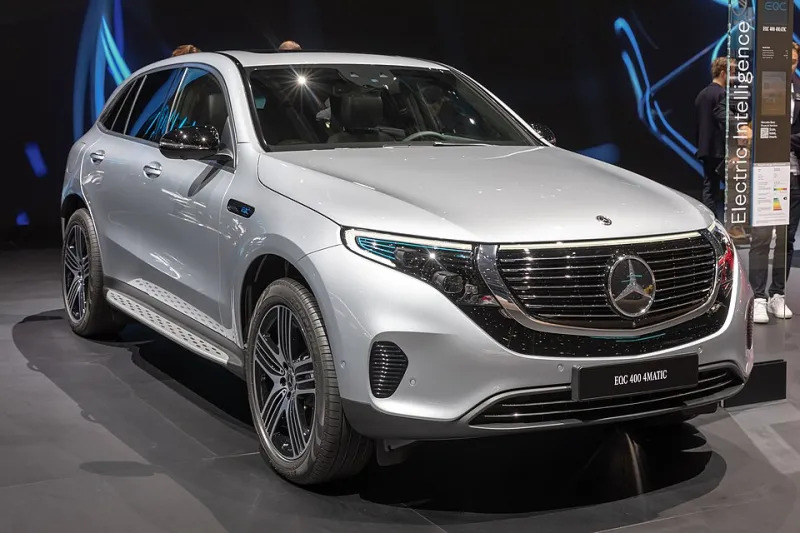
Photo: Matti Blume, CC BY-SA 4.0, via Wikimedia Commons
There was a time, not long ago, when the measure of a proper grand tourer could be heard from three blocks away. The burbling V12, the blipped throttle on downshifts, the cold-start symphony that announced your departure to the entire neighborhood — these were the soundtracks of a driving life well lived. Today, a curious inversion is underway. The most coveted machines in the category barely whisper at all.
The Economics of Serenity
Silence, it turns out, is expensive. Acoustic glass, active noise cancellation, sub-floor damping mats, and electric powertrains engineered to eliminate drivetrain hum all cost serious money to develop. That expense has created a natural scarcity: quietness is now something only the priciest machines do exceptionally well, which makes it a status marker precisely because most cars — even fast ones — cannot achieve it.
Consider the shift in showroom behavior. Buyers who once demanded sport exhausts with valves flapping open now specify laminated comfort glass and spend hours at delivery centers discussing cabin decibel readings at 70 mph. The numbers matter to them the way horsepower figures mattered to their fathers. One 80-mph cabin reading beats 110 decibels of induction roar in this new hierarchy.
What the converts say
We spoke with owners who made the leap, and their reasons are more complicated than simple environmental virtue.
A retired attorney from Scottsdale who traded a V12 grand tourer for a silent electric flagship put it plainly: "I drove the old car to feel something. I drive the new one to hear everything else — my wife, the road surface, my own thoughts. At my stage, that's the rarer commodity."
A collector in Connecticut was more conflicted. His electric tourer covers 15,000 miles a year of effortless interstate work, but his manual, loud weekend car remains in the garage. "The quiet car took me places," he said. "The loud car takes me back. I need both, and I suspect that's the honest answer for most of us."
That duality may be the real story. Silence hasn't replaced sound so much as divided it. The long, numb-making highway miles — the truest territory of grand touring — belong to the whisperers. The emotional miles still belong to the shouters.
What is lost in the hush
Purists raise fair objections. Engine sound is feedback; it tells a driver what the machine is doing without looking at a screen. Synthetic soundscapes piped through premium audio systems feel, to skeptics, like a recording of a campfire at an actual campsite — technically accurate, spiritually hollow.
There is also a cultural loss. American car enthusiasm was built in part on noise as expression: the muscle car idling outside the diner, the exhaust note as a signature. A silent grand tourer opts out of that conversation entirely. It communicates nothing to bystanders, which is either its greatest flaw or its ultimate refinement, depending on whom you ask.
The new measure of luxury
The grand tourer has always been about covering distance with grace rather than proving a point. Viewed that way, silence isn't a betrayal of the formula — it's its logical endpoint. The car that leaves you rested after 600 miles, that lets a conversation span a continent, that turns a commute into a sanctuary, is doing precisely what the category promised all along.
Serenity is the new horsepower. Not because speed stopped mattering, but because speed became easy. The genuinely difficult thing to engineer — the thing only money and obsession can buy — is now the absence of everything you don't need to hear.